News
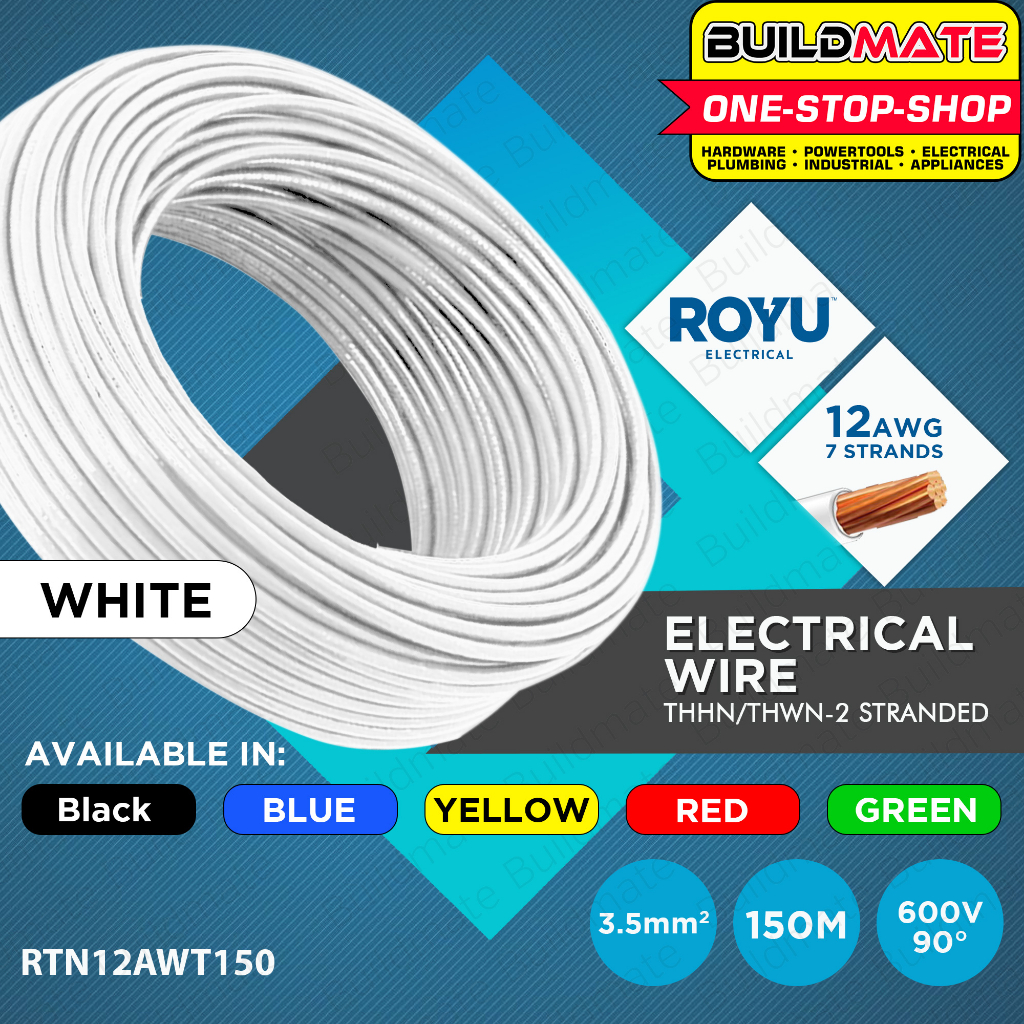
 Solid cables are inflexible and include a single wire, while stranded cables are more flexible, composed of a number of thin wires twisted together. Stranded cables, product of a number of thinner wires twisted collectively, offer better flexibility and are better suited for applications requiring frequent movement or bending. Twisted Pair Cable: Used primarily in networking, twisted pair cables encompass pairs of insulated copper wires twisted collectively. There are two forms of twisted pair cables: shielded (STP) and unshielded (UTP), with shielded varieties providing further protection against interference. There function of electrical cables is to transport the electrical power from one level to a different destination. It is right for transportation and distribution vitality. Electrical cables are utilized in every sector which are used in transporting electrical power from one level to another. With a view to be transmitted, electricity needs two conductors, on condition that the present is simply generated when the electrons move from one point to another. Conductor : It's used for transmitting electricity. Cables are typically made utilizing copper because it is an effective conductor of electricity.
It consists of a central conductor surrounded by a layer of insulation, over which a second conducting layer and an outer plastic sheath are positioned. Protection or Outer Sheath : In present time each cable have an outer sheath is used of defending the cable. The operate of cable is determined by the type of cable used - the fabric and the safety used for that materials so based mostly on some terms the cables are labeled from which network cable is used for the transmission of the sign. Each type of electrical cable has unique characteristics and is suited to particular functions, starting from residential wiring to industrial energy systems. By understanding the different types of electrical cables and their makes use of, professionals can ensure they select the very best product for his or her specific wants, resulting in safer and more reliable electrical systems. Each cable sort is designed to meet particular environmental and operational demands, offering safe, environment friendly, and effective efficiency throughout a variety of functions. Additionally, particular cable sorts like coaxial, Ethernet (Cat5/6), and fiber optic cables have unique connectors or structural options that make them distinct.
It meets British Standard BS 6004 which specifies the necessities and test methods for the construction and efficiency of cables that have PVC insulation of rated voltage 300/500 V and are intended for electric power and lighting. To decide on the best sort of electrical cable, consider the application’s power requirements, the setting, and the type of installation. Armoured Cable (BX Cable): Armoured cable, or BX cable, also known as metallic sheathed cable, contains conductors that are protected by a steel sheath, offering extra durability and protection towards bodily harm. The steel sheathing additionally acts as a floor, eliminating the need for a separate ground wire throughout the cable. The conductor within the wire provides the conducting path to the cables. Solid cables include a single, solid wire that provides better conductivity and is right for stationary installations as a result of its rigidity. To identify several types of electrical cables, look on the labeling and coloration coding on the cable sheath, which point out specs like voltage rating, wire gauge, and insulation type. The colour code for AC and DC additionally varies accordingly.