News
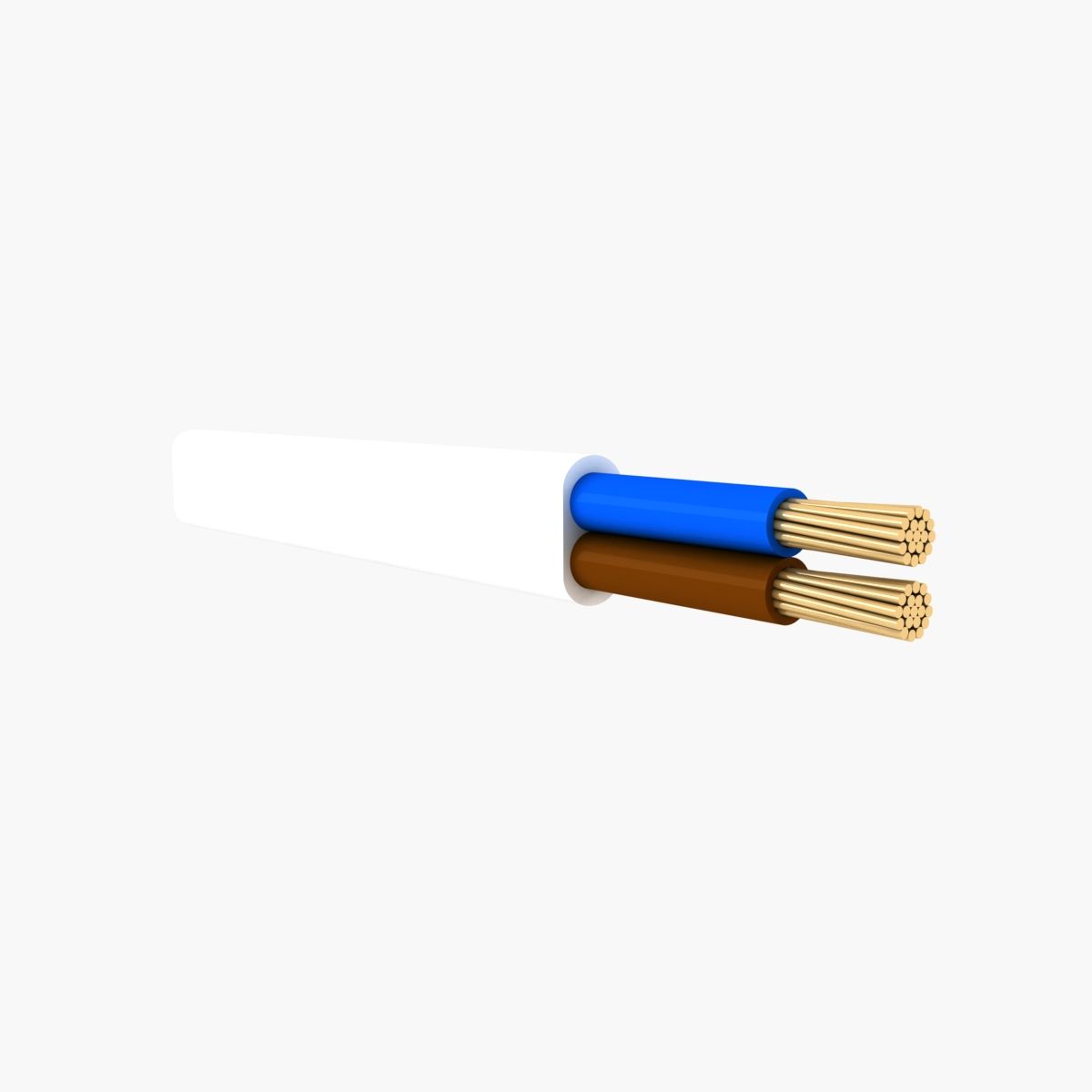 The aim of the conductor shield is just like the insulation shield: It is a void filler and voltage stress equalizer. Special objective energy cables for overhead functions are sometimes bound to a excessive power alloy, ACSR, or alumoweld messenger. Material specification for the cable's jacket will typically consider resistance to water, oil, sunlight, underground conditions, chemical vapors, influence, fireplace, or high temperatures. Cables intended for subway (underground vaults) could consider oil, hearth resistance, or low smoke as a precedence. Cable supplies for a transit utility could also be specified not to produce large amounts of smoke if burned (low smoke zero halogen). All wires operating inside this shielding layer might be to a big extent decoupled from external electrical fields, notably if the shield is connected to a point of fixed voltage, corresponding to earth or floor. Simple shielding of this kind will not be vastly effective against low-frequency magnetic fields, nevertheless - equivalent to magnetic "hum" from a close by power transformer. Shielding makes use of the electrical principle of the Faraday cage. HDPE or polypropylene jackets are widespread for this use. PAC might be ordered unjacketed, nevertheless, this is much less widespread lately as a result of low added cost of supplying a polymeric jacket.
 Multi-level grounding is the most common solution to ground the cable's shield. The metallic shields of a cable are linked to earth floor on the ends of the cable, and presumably locations along the size if voltage rise throughout faults could be dangerous. Beyond this, there are particular cable designs that reduce electromagnetic pickup and transmission. This metallic shield can include a skinny copper tape, concentric drain wires, flat straps, lead sheath, or other designs. However, lead is in decline and few manufacturers exist immediately to provide such items. Few cables as of late nonetheless make use of an total lead sheath. Cables of 10 kV or greater could also be insulated with oil and paper, and are run in a rigid steel pipe, semi-rigid aluminum or lead sheath. Transmission or submarine cables are extra seemingly to make use of lead sheaths. When it is intended for use inside a constructing, nonmetallic sheathed building cable (NM-B) consists of two or extra wire conductors (plus a grounding conductor) enclosed inside a thermoplastic insulation sheath that is heat-resistant. Power cables use stranded copper or aluminum conductors, though small power cables might use stable conductors in sizes of as much as 1/0. (For a detailed dialogue on copper cables, see: Copper wire and cable.).
The cable is encased for its total length in foil or wire mesh. When cables should run the place uncovered to mechanical damage (industrial sites), they could also be protected with versatile steel tape or wire armor, which may also be coated by a water-resistant jacket. Cables for direct burial or for uncovered installations may include metal armor within the type of wires spiraled across the cable, or a corrugated tape wrapped round it. Cables meant for direct burial must consider injury from backfill or dig-ins. Pipe-kind cables are often transformed to strong insulation circuit at the top of their service life regardless of a shorter anticipated service life. For shorter vertical transitions (perhaps 30-a hundred and fifty ft) an unarmored cable can be used along with basket (Kellum) grips and even specially designed duct plugs. For vertical applications the cable might embody armor wires on high of the jacket, steel or Kevlar. The armor wires are connected to supporting plates periodically to help assist the weight of the cable.
However, some utilities should still install paper-insulated lead-covered cable in distribution circuits. For circuits working at or above 2000 volts between conductors, a conductive shield should surround the conductor's insulation. Circuits with shield breaks might be single or multi level grounded. Some particular purposes require shield breaks to limit circulating currents throughout the conventional operations of the circuit. The cable may include uninsulated conductors used for the circuit neutral or for floor (earth) connection. Electrical power cables are sometimes installed in raceways, including electrical conduit and cable trays, which can comprise a number of conductors. These effects are often undesirable, in the primary case amounting to undesirable transmission of power which may adversely have an effect on nearby equipment or other components of the same piece of tools; and in the second case, undesirable pickup of noise which can mask the desired signal being carried by the cable, or, if the cable is carrying energy supply or management voltages, pollute them to such an extent as to trigger equipment malfunction. A hybrid cable can embody conductors for control signals or might also embody optical fibers for information. These uninsulated versions are known are bare conductors or tinned bare conductors. Filler supplies could be made in non-hydroscopic versions if required for the applying.
If you have any sort of concerns regarding where and ways to make use of electric cable, you could call us at our web site.